Casting directors make decisions quickly. Often, those decisions begin before a résumé is read or a showreel is opened.
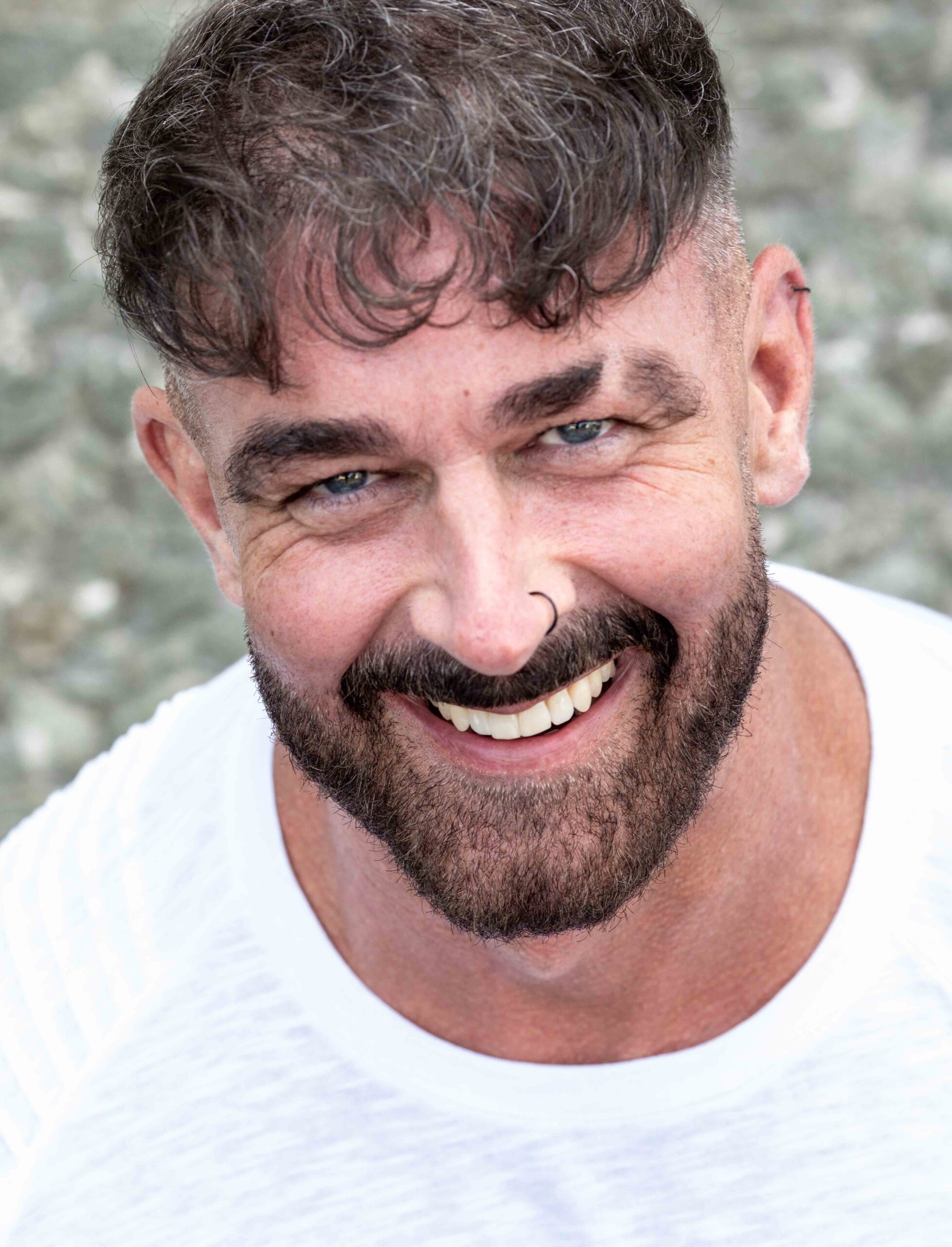
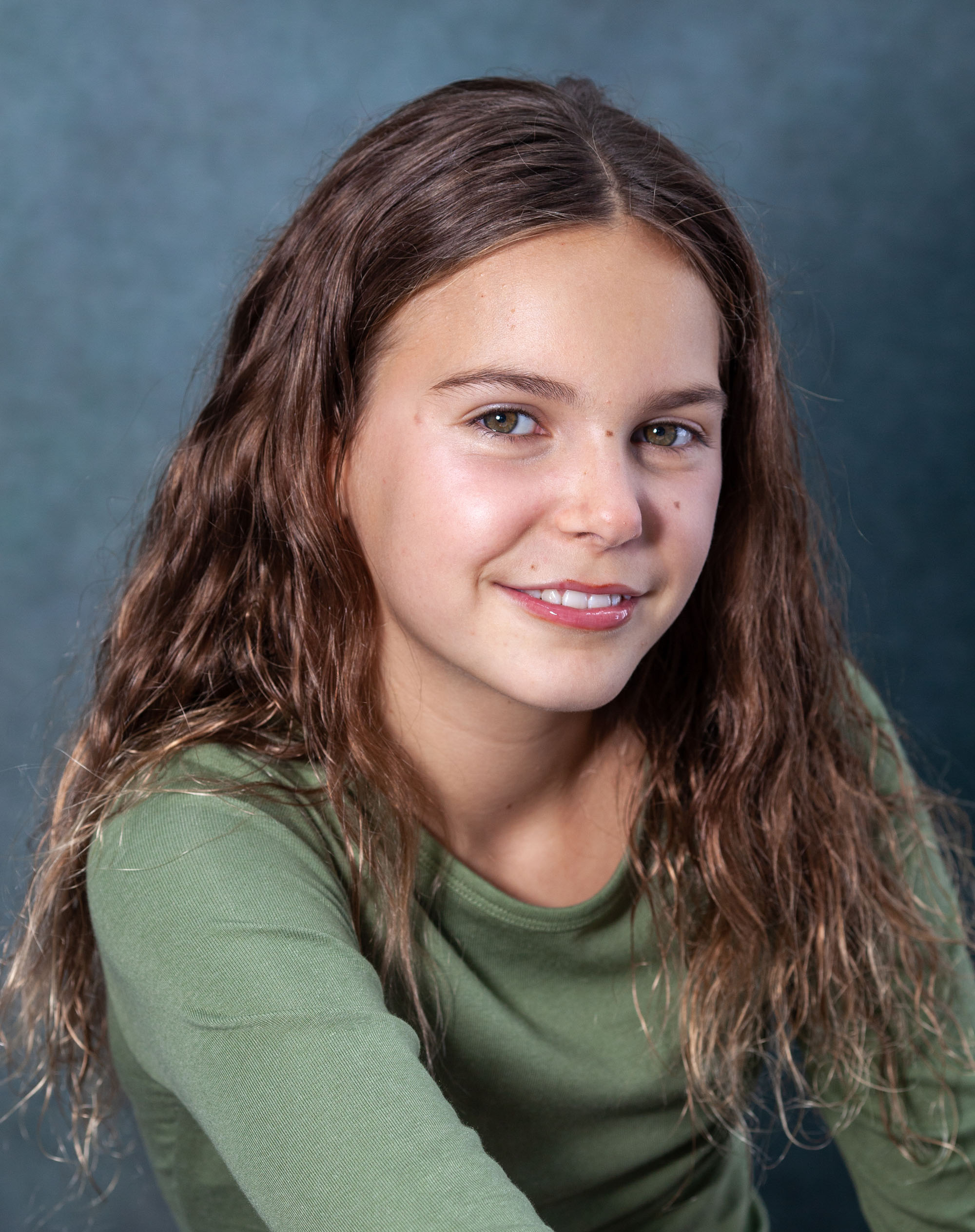
A headshot is not assessed in isolation. It is read as a set of visual cues that suggest how an actor might exist on screen, how they might carry a role, and how they could fit into a story.
When casting professionals scan headshots, they are not consciously analysing technique. They are responding to what the image suggests.
This response is fast and largely instinctive. Within moments, impressions form around confidence, authority, and emotional accessibility.
A headshot is not judged on effort.
It is judged on how believable and readable the person feels at a glance.
Confidence in a headshot is rarely about strength or intensity.
More often, it appears as ease: relaxed facial tension, grounded posture, and a sense that the actor is comfortable being seen.
Overly “strong” expressions can read as forced, while uncertainty often shows up as guarded eyes or tension around the mouth.
Authority in a headshot does not mean dominance.
Casting directors often respond to actors who appear capable of carrying responsibility on screen — characters others might follow, trust, or rely on.
This impression is shaped by balance: how the face is lit, how the gaze meets the camera, and how composed the expression feels.
Authority reads as composure.
Not hardness. Not distance. Composure.
Vulnerability is often misunderstood as weakness. In casting terms, it is the opposite.
Actors whose headshots allow a sense of openness tend to feel emotionally available. This suggests range, depth, and the ability to connect with material.
Vulnerability often appears in softness of expression and subtle openness in the eyes, rather than exaggerated emotion.
Actors sometimes aim for a “neutral” headshot to avoid limiting themselves.
In practice, overly neutral images can feel blank or unreadable. Casting directors are left without a sense of who the actor might be on screen.
A successful headshot offers suggestion without performance.
The strongest actor headshots tend to sit at the intersection of confidence, authority, and vulnerability.
They feel grounded without being rigid, open without being exposed, and composed without being distant.
The goal is not to show range in one image.
The goal is to feel castable.
A headshot works when it allows casting professionals to imagine an actor in a role without effort.
When confidence, authority, and vulnerability are in balance, the image feels truthful — and truth is what casting responds to.
For actors working across South Wales, you can explore professional actor headshots here: Actor Headshots South Wales.
For broader insight into casting perspectives and actor preparation, Spotlight UK provides guidance on how casting teams engage with performers: Spotlight UK — News & Advice.