Actor Headshots · Casting
A practical guide to clarity, expression, lighting and presentation — and how to make your headshots easier to understand at a glance.
Chris Barroccu · BBC & ITV Lighting Director · South Wales
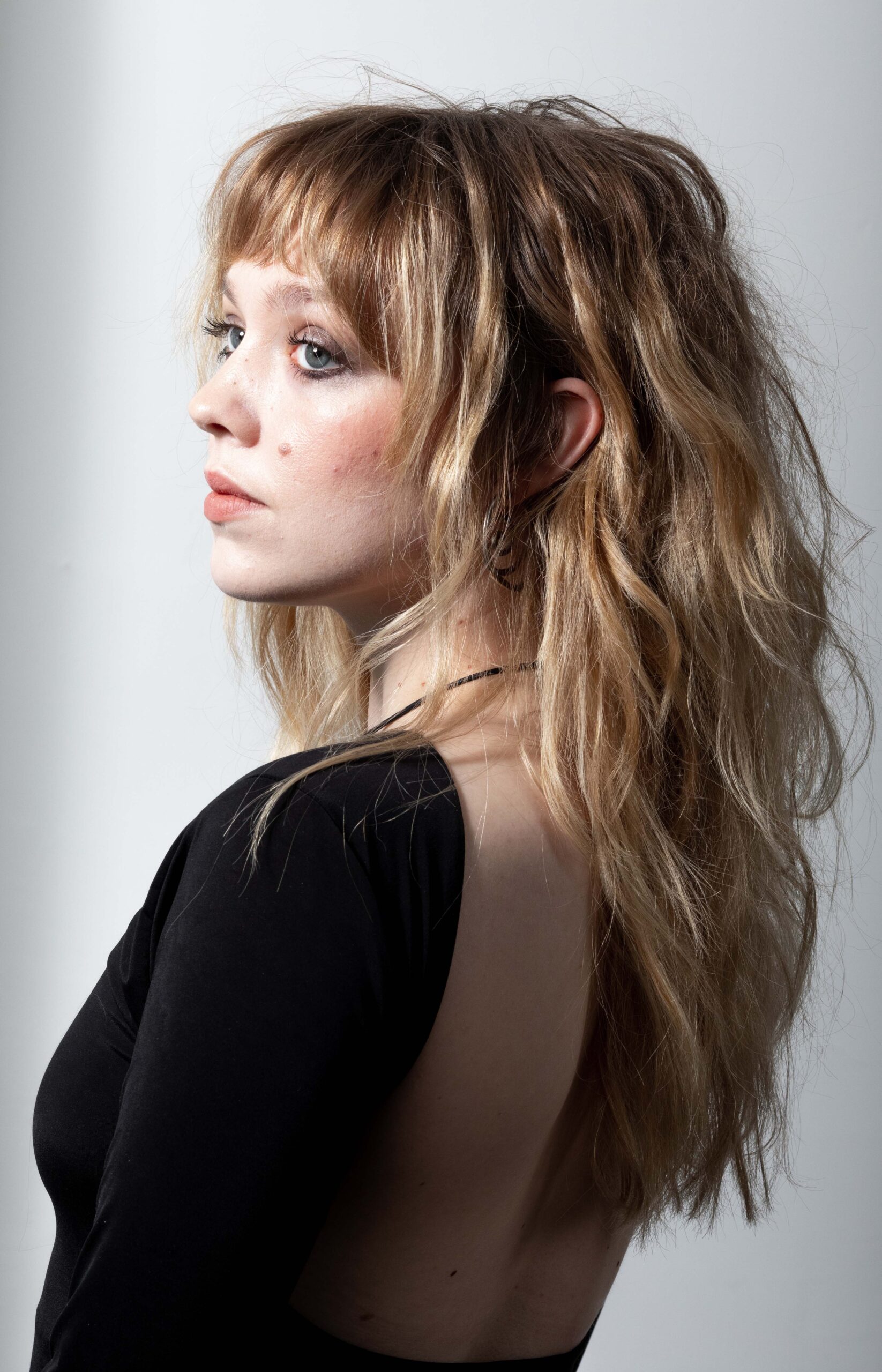
A casting headshot is not simply a flattering portrait. Its job is to make the actor easy to recognise and easy to understand quickly.
That means clarity matters more than visual tricks. The strongest images usually feel current, believable and specific enough to suggest useful casting possibilities without turning the actor into a character.
01 · What matters first
There is no single formula for a successful actor headshot, but three qualities matter repeatedly: the image should look like the actor now, the expression should feel believable, and the photograph should give a clear sense of how the actor might be read on screen.
A strong actor headshot should help someone understand you quickly, not make them work harder to decode the image.
If you are looking for a full headshot session built around these principles, see my Actor Headshots South Wales page.
02 · Expression
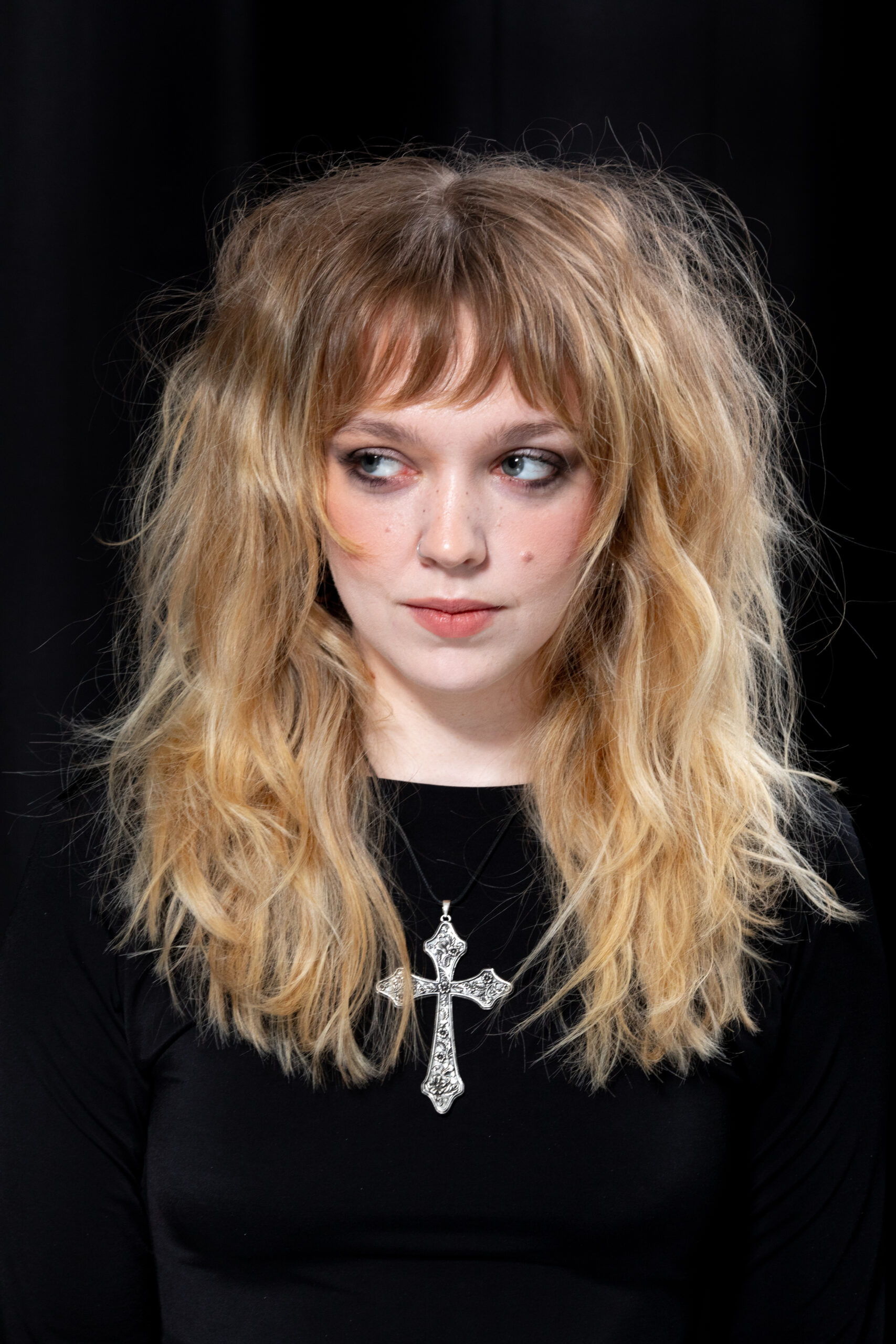
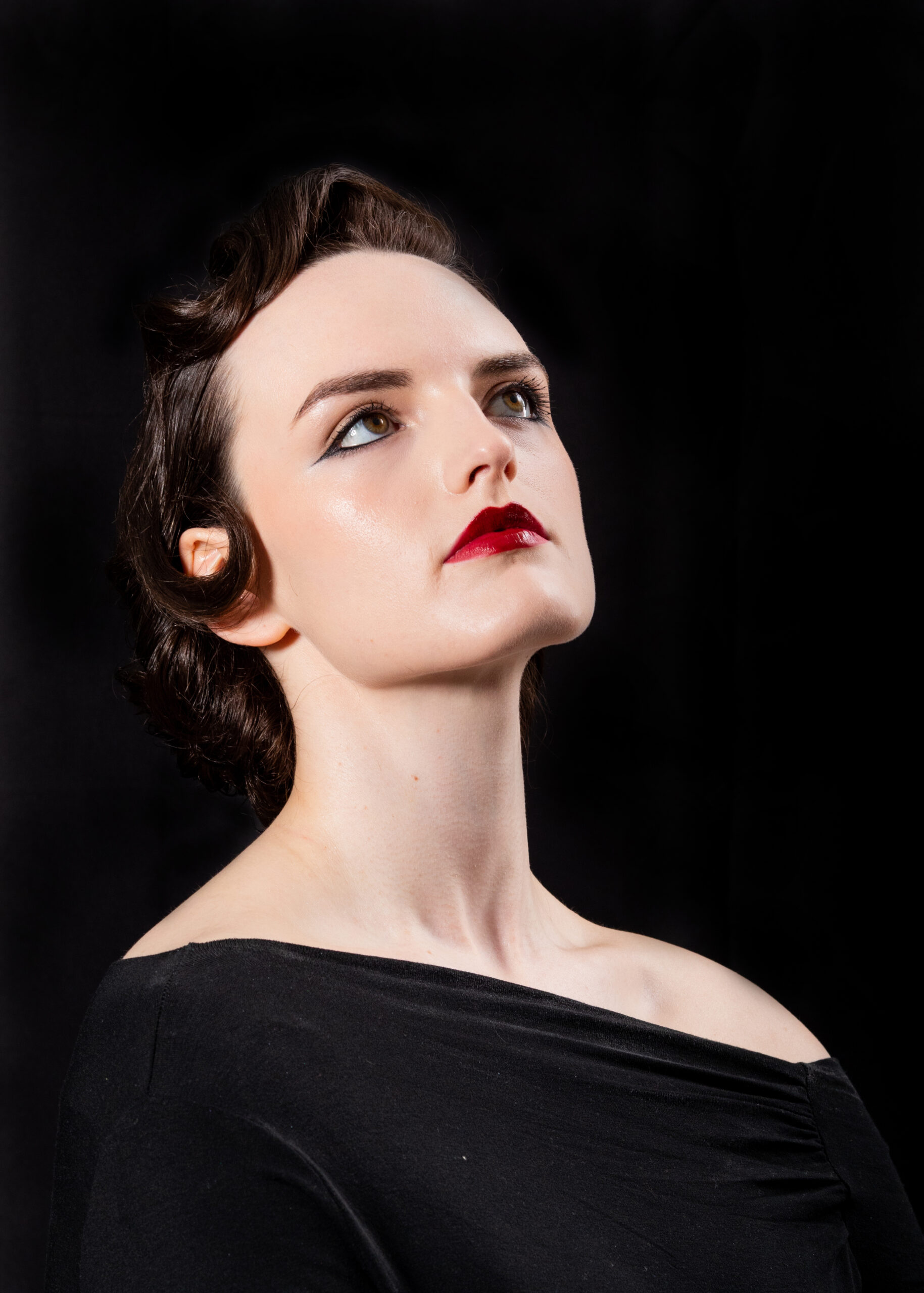
Small shifts around the eyes, mouth, jaw and posture can change the way a portrait feels. A slightly tighter jaw can read as guarded. A softer mouth can make the same face feel more open. A very small change in gaze can alter the energy of the whole frame.
This is why I prefer subtle direction rather than fixed poses. The goal is not to manufacture a dramatic performance for the stills camera; it is to create a range of believable versions of the same person.
For a deeper look at this, read Mastering Expression for Actor Headshots.
03 · Lighting
Lighting is not simply about making somebody look attractive. It affects facial structure, contrast, openness and the overall tone of a portrait.
I have spent more than 25 years working professionally with light, faces and cameras as a television Lighting Director. That experience has taught me how quickly small changes in light can alter how a face reads on camera.
For actor headshots, the lighting should support clarity and presence rather than become the subject of the photograph itself.
Light should describe the structure of the face without becoming theatrical.
The eyes need enough clarity and life to hold attention naturally.
Contrast should support the individual rather than impose the same visual formula on everyone.
If you are deciding between controlled and environmental approaches, see Studio vs Outdoor Actor Headshots.
“The photograph should feel like a person, not a performance of one.”
Chris Barroccu · Headshot Photographer & Lighting Director04 · Styling
Clothing helps shape how a headshot is read, but it should rarely become the loudest part of the image. Simple pieces, controlled colour and a good fit usually give the face more room to lead.
That does not mean every actor should look generic. The aim is to choose clothing that feels appropriate to the person and the kinds of roles they are realistically pursuing, without turning the photograph into costume.
For a fuller wardrobe guide, see What to Wear for Actor Headshots.
05 · Range
An actor headshot should not be a costume test. It is more useful to create several clearly different but believable portraits than to force one image to communicate every possible character type.
One frame might feel warmer and more approachable. Another might be quieter, more contained or more authoritative. The differences can be small while still giving the set useful range.
That is also why image selection matters. The technically sharpest frame is not automatically the most useful one if another image communicates more clearly.
You may also find Why Some Actor Headshots Feel More Castable Than Others useful.
06 · Where the image is seen
Actor headshots are often viewed among many other faces and at relatively small sizes. That makes clarity especially important: the eyes, expression and overall shape of the portrait should still read when the image is reduced.
A useful final check is to view your shortlist at thumbnail size. If an image only works when enlarged, it may not be the strongest first profile photograph.
07 · Before you shoot
If your appearance or career direction has changed, see When Should Actors Update Their Headshots?.
Quick answers
There is no universal checklist, but a useful actor headshot should make the actor easy to recognise, present expression clearly and communicate a believable professional image without excessive styling or retouching.
There is no single correct expression. A useful set can include different degrees of warmth, seriousness and intensity, provided each version still feels natural and recognisable.
Usually not literally. Clothing can suggest tone and casting direction, but costume-like styling can make a headshot feel too specific or performative.
That depends on your casting range and how the images will be used. A smaller number of distinct, purposeful looks is usually more useful than many weak variations.
The photograph should reflect how you actually look now, including hairstyle, facial hair, overall appearance and the kind of professional presentation you are currently using.
Actor Headshots · South Wales
I photograph actors and performers across South Wales, including Cardiff and Swansea, with an approach built around expression, lighting and recognisable presence.