
Actor Headshots · Expression
Small shifts in the eyes, mouth, jaw and posture can change how an actor is perceived on camera — often without the actor feeling that much has changed.
Chris Barroccu · BBC & ITV Lighting Director · South Wales
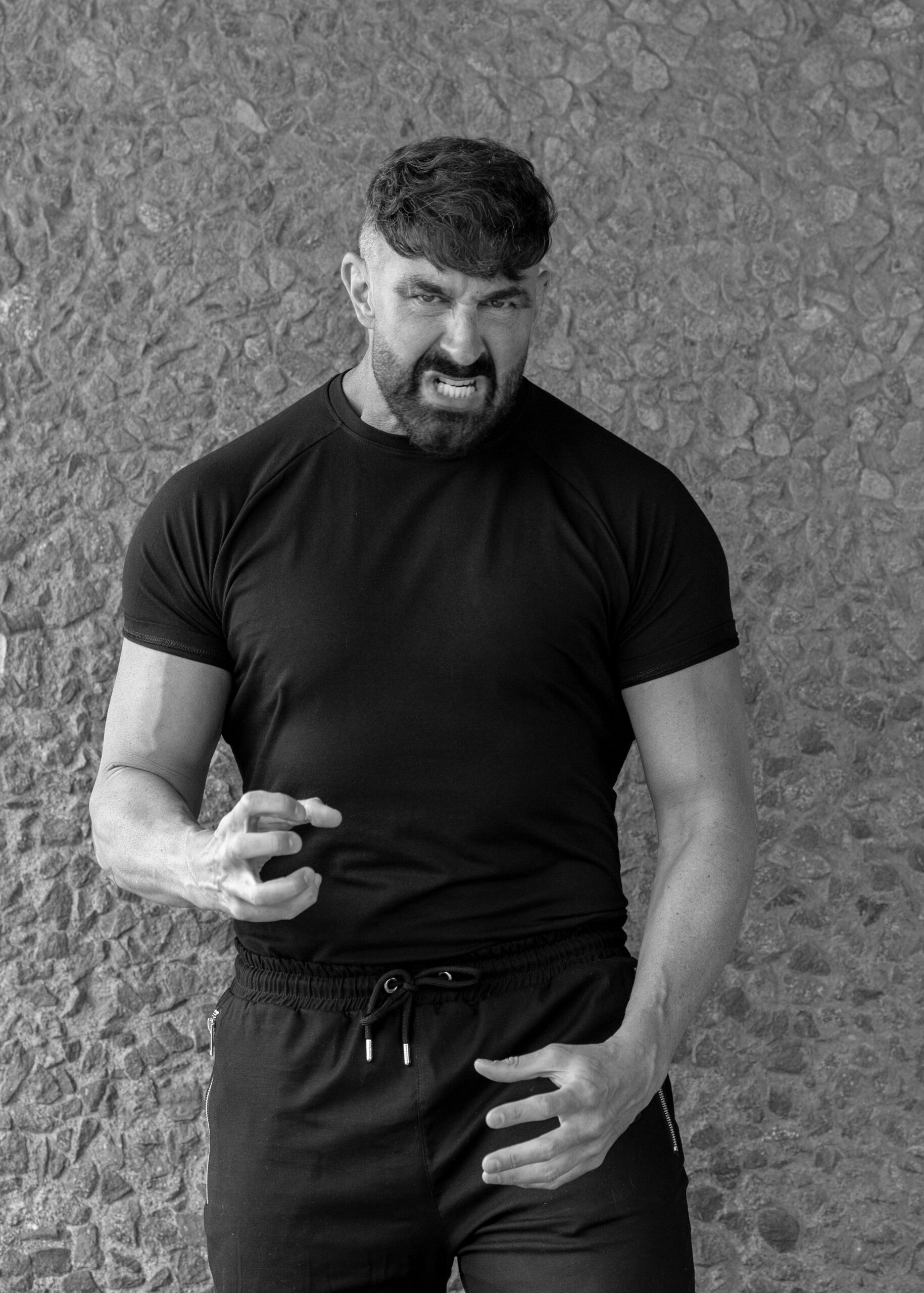
Actor headshot expressions can alter the meaning of a portrait far more than many performers realise.
A fraction more tension around the mouth, a steadier gaze or a small release in the jaw can change whether the same face feels open, guarded, authoritative, warm or uncertain.
01 · Why subtle expression matters
In a performance, dialogue, movement and context help an audience understand what a character is feeling. A headshot has none of that. The viewer is left with the face, the eyes, posture, lighting and the overall impression created in a fraction of a second.
That makes subtle facial changes unusually important. A portrait can feel warmer, more guarded or more authoritative even when the differences between frames are very small.
The most useful actor headshot expressions do not transform the person. They reveal slightly different ways of reading the same person.

02 · Eyes
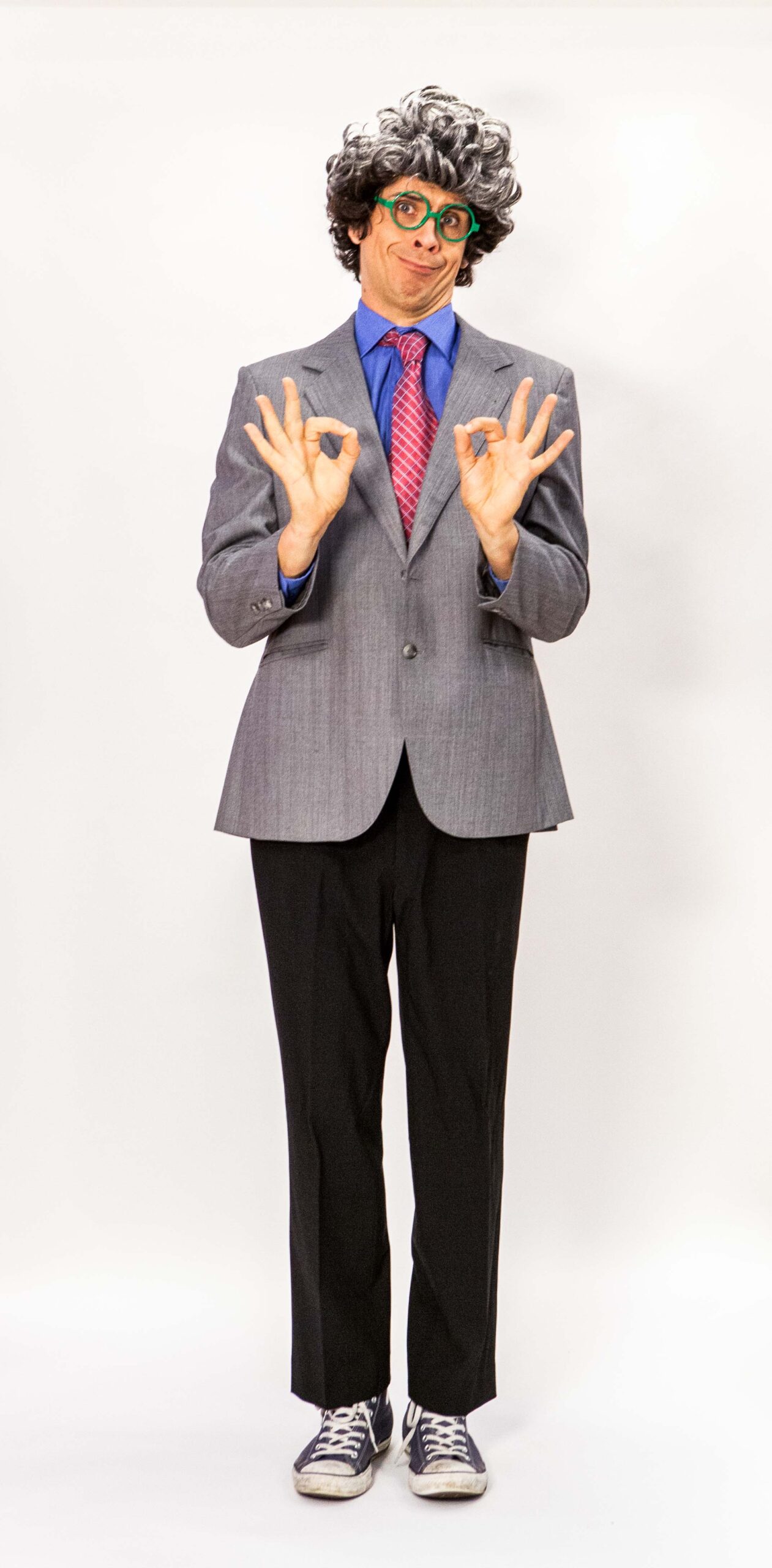
The eyes carry a large amount of information in a headshot, but that does not mean an actor needs to stare harder at the camera.
A small increase in focus can make a portrait feel more assured. Too much intensity can make the same face feel confrontational. A softer gaze can create openness, while too little connection can make the portrait feel detached.
This is why instructions such as “look confident” are often too vague. Confidence usually reads more successfully through presence than through effort.
03 · Mouth and jaw
The mouth is one of the easiest places for tension to show. An actor may feel relaxed while unconsciously pressing the lips together, holding a smile or tightening the jaw.
On camera, those small changes can affect the emotional tone of the whole face. A slight release can make the same person feel more approachable. A little more firmness can introduce authority. A suggestion of a smile can add warmth without becoming a conventional smiling portrait.
None of these changes needs to be dramatic to be useful.
“Confidence usually reads more quietly than people expect.”
Chris Barroccu · Headshot Photographer & Lighting Director04 · Why forcing emotion can work against you
Actors are used to accessing emotion, but trying to manufacture sadness, menace, vulnerability, confidence or charm too literally can make a headshot feel performed rather than truthful.
The aim is not to create a catalogue of emotions. It is to allow enough variation in the face for different qualities to become visible naturally.
That is where subtle direction becomes much more useful than asking for a fixed expression.
05 · Confidence and vulnerability
Seriousness and confidence are not the same thing. When an actor tries too hard to look confident, tension can appear in the jaw, forehead, shoulders or eyes. Instead of reading as authority, the portrait may feel overly controlled.
Vulnerability is similarly easy to overstate. It does not mean looking sad. It can simply mean that the face feels emotionally available and that there is something beneath the surface for the viewer to respond to.
Often comes from settled expression, natural posture and connection rather than visual force.
Can emerge through a softer gaze, released facial tension and a small shift around the mouth.
Does not require a dramatic expression; restraint can leave more space for interpretation.
06 · Casting perception
The same actor can look surprisingly different across frames taken only moments apart. One image may feel warmer and more accessible. Another can appear more authoritative. A third may introduce greater seriousness or emotional depth.
The actor has not changed. Styling and lighting may be almost identical. What has changed is the combination of facial tension, gaze, posture and expression.
That does not mean headshots should be engineered around rigid casting types. It means expression can reveal useful differences without resorting to costume, props or exaggerated performance.
For a wider look at casting interpretation, read What Do Casting Directors Look for in Actor Headshots?.
07 · Why the camera sees differently
A mirror is interactive. You are continually adjusting your expression while looking at yourself. A photograph removes that feedback and freezes a fraction of a second.
This can make tiny differences in expression much more noticeable. It is one reason photographic direction matters: the person being photographed cannot always feel which frame contains the strongest balance of expression, connection and presence while it is happening.
08 · Expression and lighting
A subtle expression under soft, open lighting can feel warm and accessible. The same facial position under stronger contrast can feel more serious or authoritative.
As a freelance BBC and ITV Lighting Director, I have spent more than 25 years observing how small changes in light alter the way a face is interpreted on camera.
For actor headshots, the aim is not to impose a character through lighting. It is to use light carefully enough that the expression remains readable and believable.
Lighting should reveal the actor rather than compete with them.
09 · Useful variation
A small number of carefully judged variations can often provide more professional value than dramatic changes in styling or expression.
These can all feel like the same person while giving agents and casting professionals different ways to read the actor.
For more on useful range, see Why Some Actor Headshots Feel More Castable Than Others.
Quick answers
There is no universal expression. The useful approach is to create believable variations in warmth, seriousness, openness and intensity while still looking recognisably like yourself.
A smile can be useful, but it is not automatically better. Different levels of warmth can help create a broader but still consistent set.
People often try to create confidence by increasing focus too much. Relaxing facial tension while maintaining connection to the camera can produce a more natural sense of presence.
Yes. Small changes in gaze, mouth, jaw and posture can alter how the same face is interpreted, even when lighting and styling remain almost identical.
There is no fixed number. The aim is to create enough purposeful variation to give the final set range without making the actor look like a different person in every image.
Actor Headshots · South Wales
I photograph actors and performers across South Wales, including Cardiff and Swansea, with an approach built around subtle direction, controlled lighting and recognisable presence.