
Actor Headshots · Representation
The same headshot can be useful for different reasons. Here is how representation and casting can place different demands on the images an actor chooses.
Chris Barroccu · BBC & ITV Lighting Director · South Wales

Actors often assume an agent and a casting director need exactly the same thing from a headshot. There is overlap, but the context is different.
A casting decision is usually tied to a particular project or role. Representation is broader: an agent may also be thinking about how clearly an actor can be positioned across different opportunities over time.
01 · The essential difference
A casting professional may be assessing whether an actor feels believable for a specific project, tone or role. The headshot therefore needs to communicate quickly and clearly.
An agent may be looking at the same portrait through a broader lens: does this image represent the actor accurately, does it support the way they are being positioned, and does the overall set give enough useful range without becoming confusing?
Casting asks, “Could this person belong in this project?” Representation may also ask, “How can this actor be positioned consistently over time?”
That distinction is useful when choosing which images should lead a profile and which belong in a wider set.
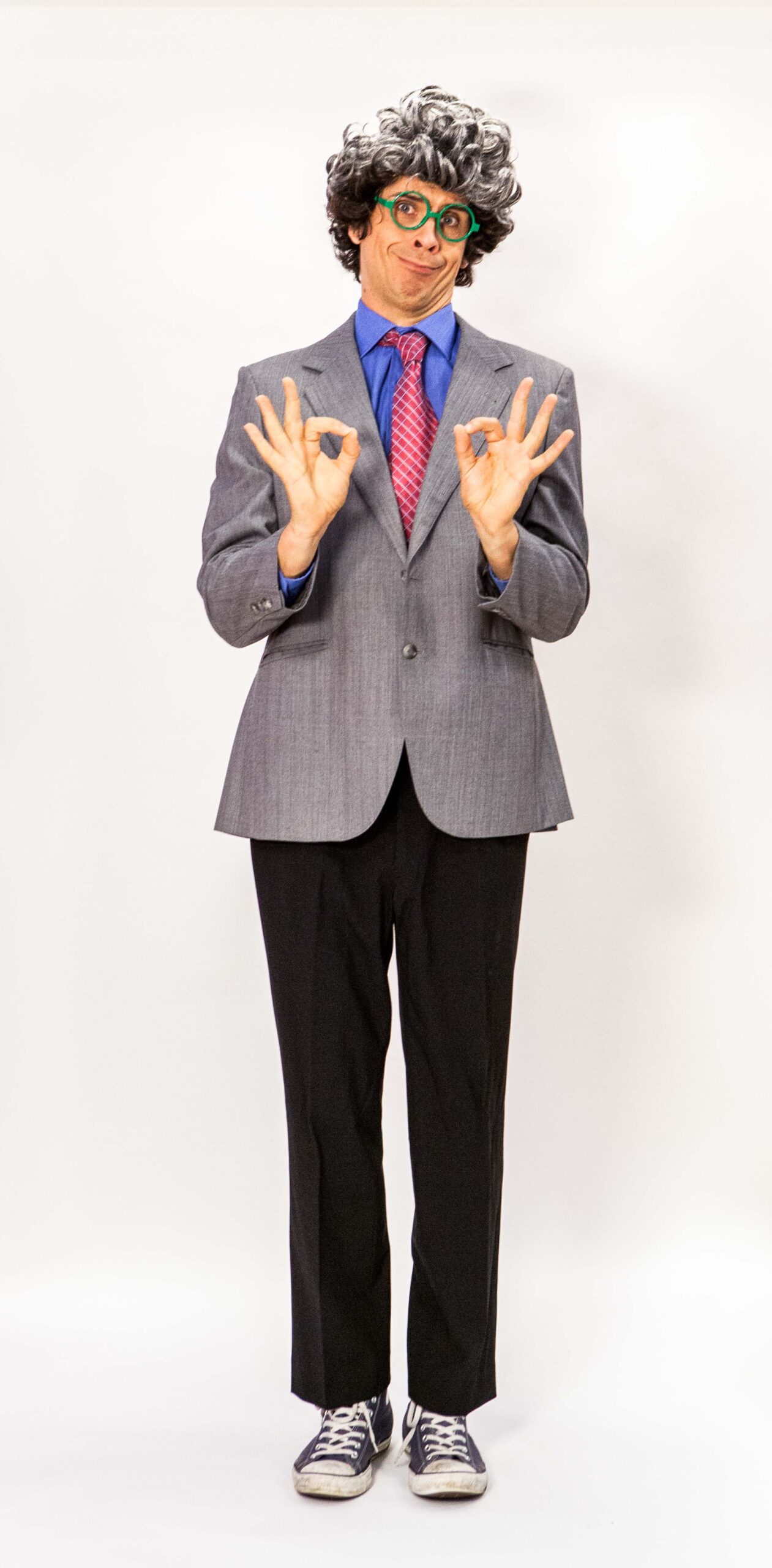
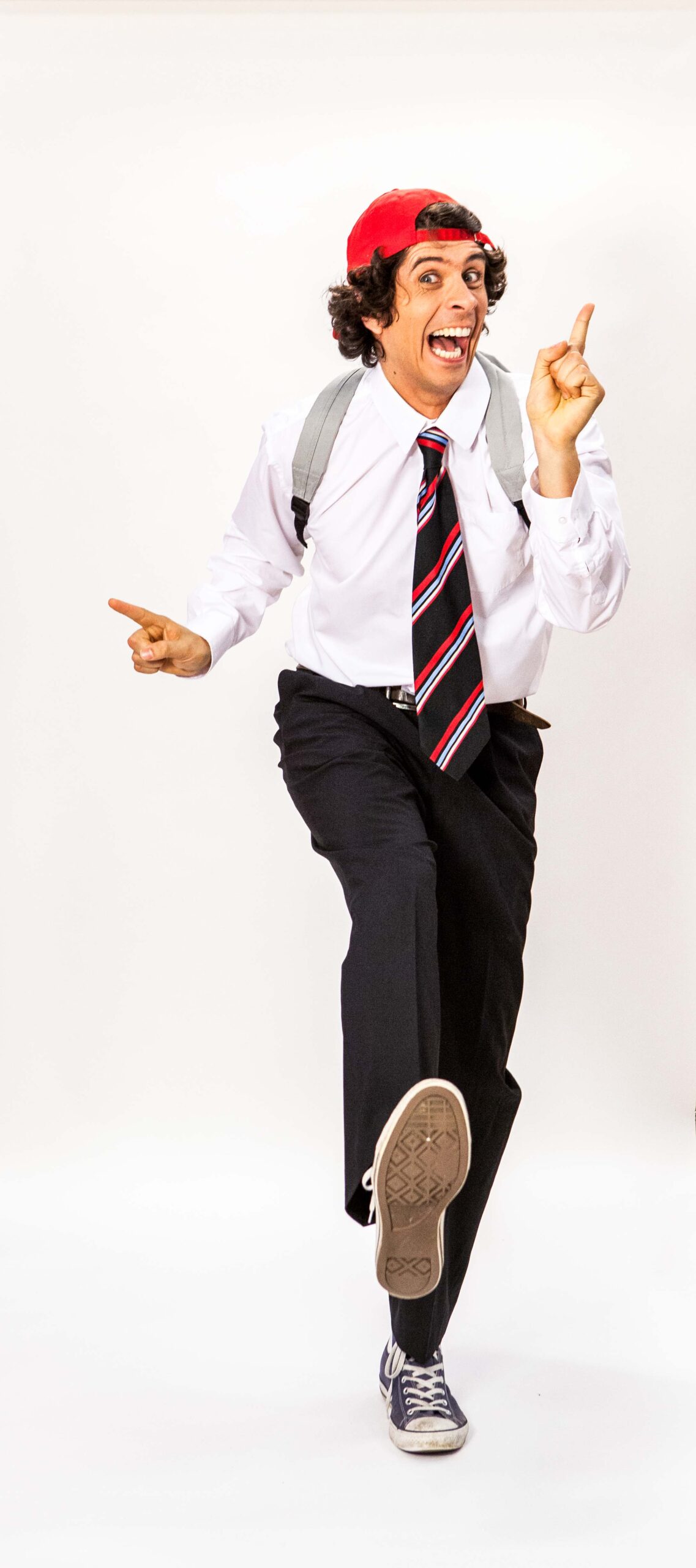
02 · Casting context
When an image is being considered for a specific casting, clarity matters. The actor should be recognisable, the expression should feel believable and styling should not make the viewer work to understand what they are seeing.
A useful portrait can suggest tone and casting possibilities without becoming a costume or a character performance. The face remains the primary information.
For a deeper look at that side of the process, read What Do Casting Directors Look for in Actor Headshots?.
03 · Representation context
Representation is not limited to a single role. A headshot set may need to help an agent present the actor for different kinds of work while keeping the overall identity clear and believable.
That does not mean trying to show every possible character. In fact, too much variation can weaken the sense of who the actor is. The strongest sets usually offer controlled differences in warmth, intensity, authority or openness while remaining recognisably the same person.
The images should still feel like one actor, even when the energy changes.
Different portraits can support different opportunities without becoming disconnected.
The actor who arrives should feel consistent with the person represented in the images.
“Useful range comes from changing the energy, not changing the identity.”
Chris Barroccu · Headshot Photographer & Lighting Director04 · Why range is misunderstood
It is tempting to treat a headshot session as an opportunity to create a completely different person in every frame. That can make a portfolio feel less coherent rather than more versatile.
A more strategic set keeps the actor recognisable while adjusting smaller signals: expression, wardrobe, background, contrast and the amount of warmth or intensity in the face.
This makes it easier for different images to serve different purposes without creating doubt about the actor's real appearance.
You may also find Why Some Actor Headshots Feel More Castable Than Others useful here.
05 · Consistency matters
Whether an image is being used for representation or a particular casting, consistency between the photograph and the person remains important.
Current hairstyle, facial hair, age, general appearance and overall professional presentation should be reflected accurately enough that the image feels trustworthy when the actor is seen elsewhere.
If your appearance or professional direction has changed, see When Should Actors Update Their Headshots?.
06 · Image selection
A technically excellent photograph is not necessarily the strongest lead image if another frame communicates the actor more clearly.
When narrowing a set, it can help to ask what each image contributes. Does one feel warmer? Does another carry more authority? Is one particularly open or immediate? Do two photographs effectively say the same thing?
The aim is a compact set in which each portrait earns its place.
Quick answers
There is significant overlap, but the context can differ. A casting decision may focus on suitability for a particular project, while an agent may also consider how the actor's images support broader professional positioning.
No. Useful range is usually created through controlled changes in expression, clothing, background and energy rather than turning each photograph into a separate character portrait.
There is no universal number. The important question is whether each selected image adds a genuinely different and useful signal without weakening consistency.
Because anyone using the image professionally should be able to recognise the actor it represents. Major changes in appearance can make an older portrait less useful.
Recognition, believable expression, clear presentation and a set of portraits that offers useful variation without becoming visually confused.
Actor Headshots · South Wales
I photograph actors and performers across South Wales, including Cardiff and Swansea, with an approach built around recognisable presence, controlled lighting and useful variation across the final set.