Actor Headshots · Timing
A practical guide to the moments when new photographs become useful — from changes in appearance to representation, casting direction and career progression.
Chris Barroccu · BBC & ITV Lighting Director · South Wales
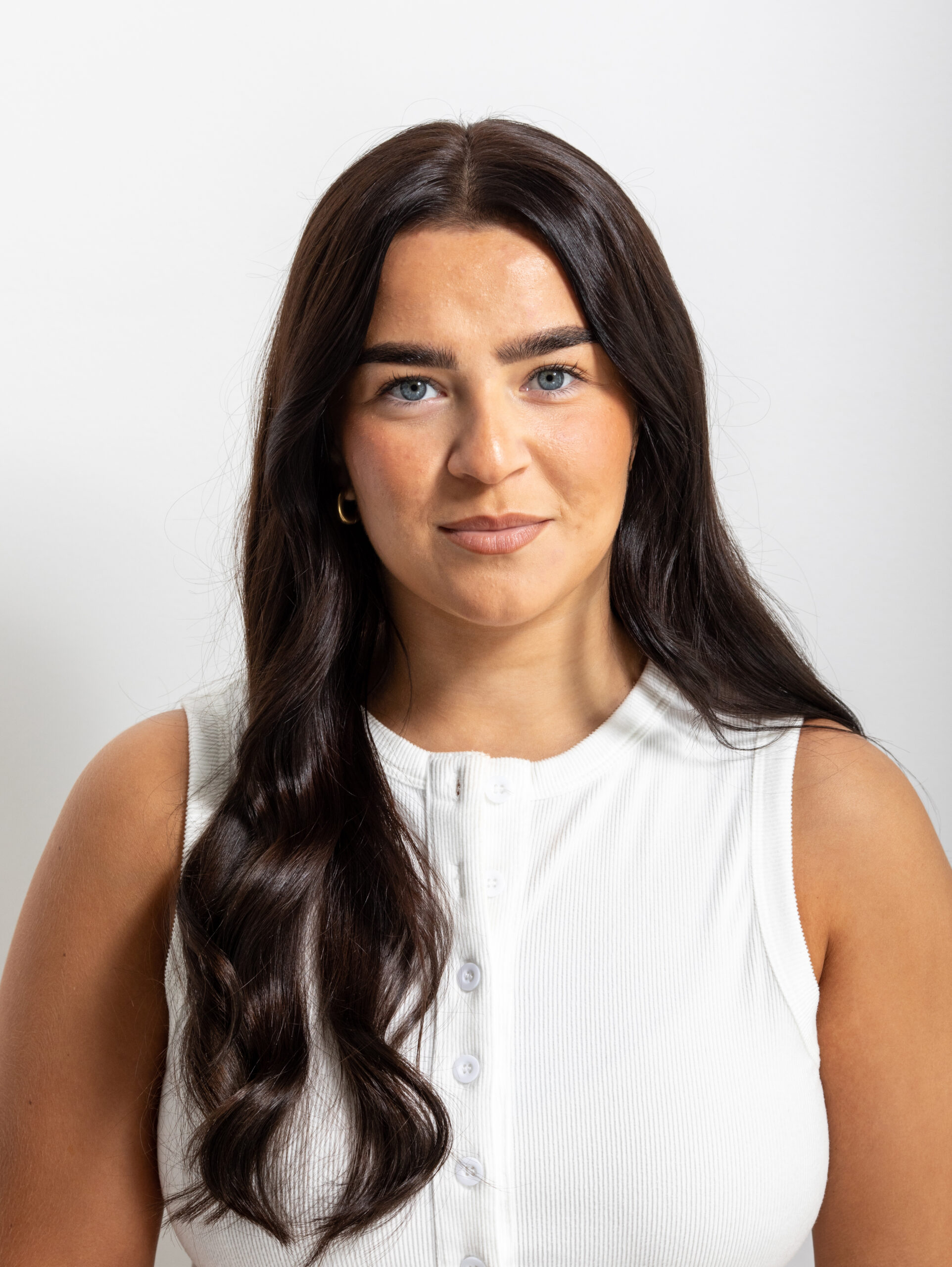
An actor does not need new headshots simply because a calendar says twelve months have passed. The better question is whether the photographs still represent the person, the work and the opportunities they are pursuing now.
If your current images still look like you and still serve your professional profile well, there may be no reason to replace them. But when appearance, representation, casting direction or career stage changes, new headshots can become much more useful.
01 · Appearance
The simplest trigger is a meaningful change in appearance. A casting professional, agent or production team should be able to move from your profile image to you without feeling that the photograph belongs to an earlier version of the person.
Changes that may justify new headshots include:
The aim is recognition, not surprise. If your current headshot requires an explanation when people meet you, it is probably no longer doing its job.
02 · Representation
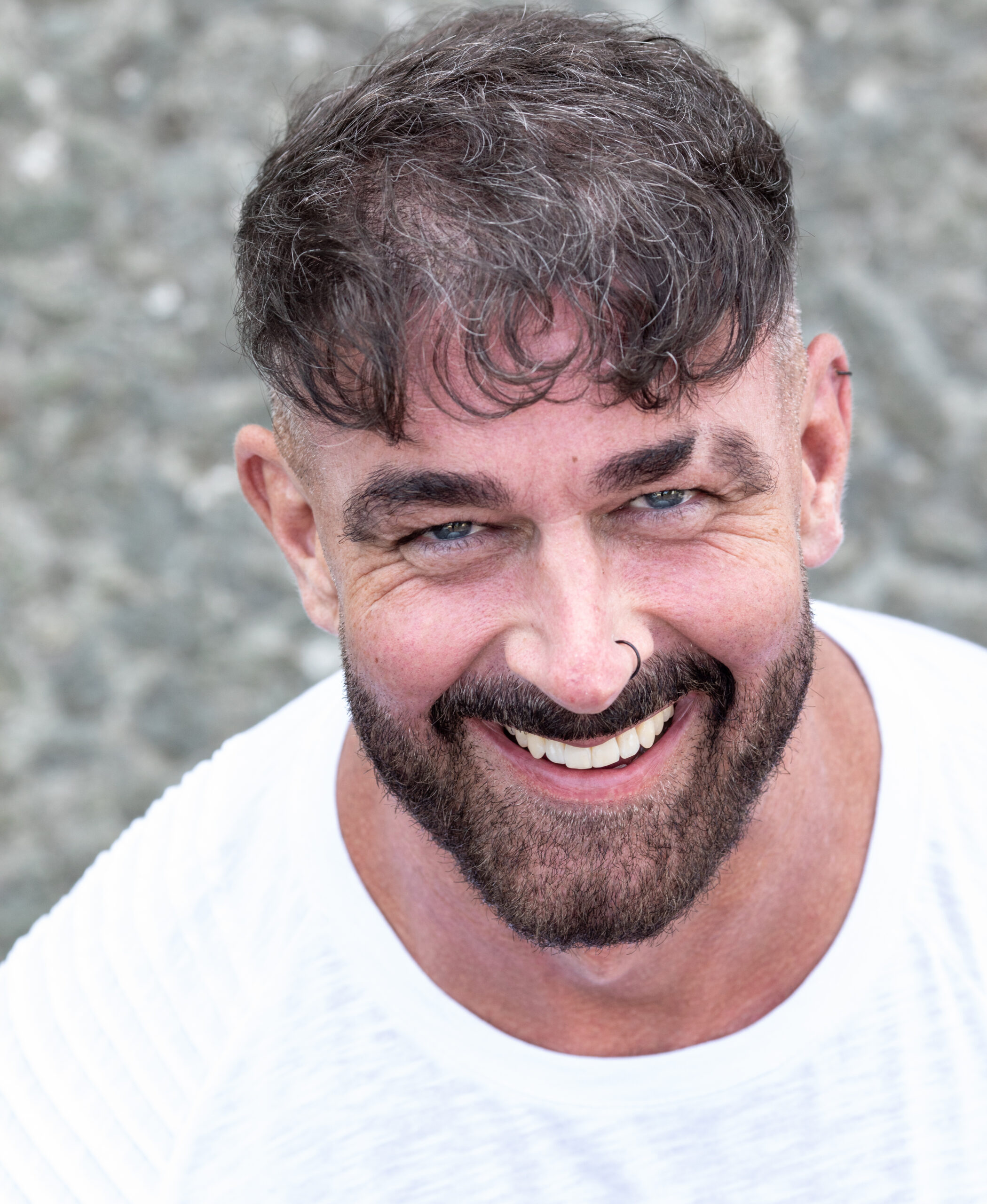
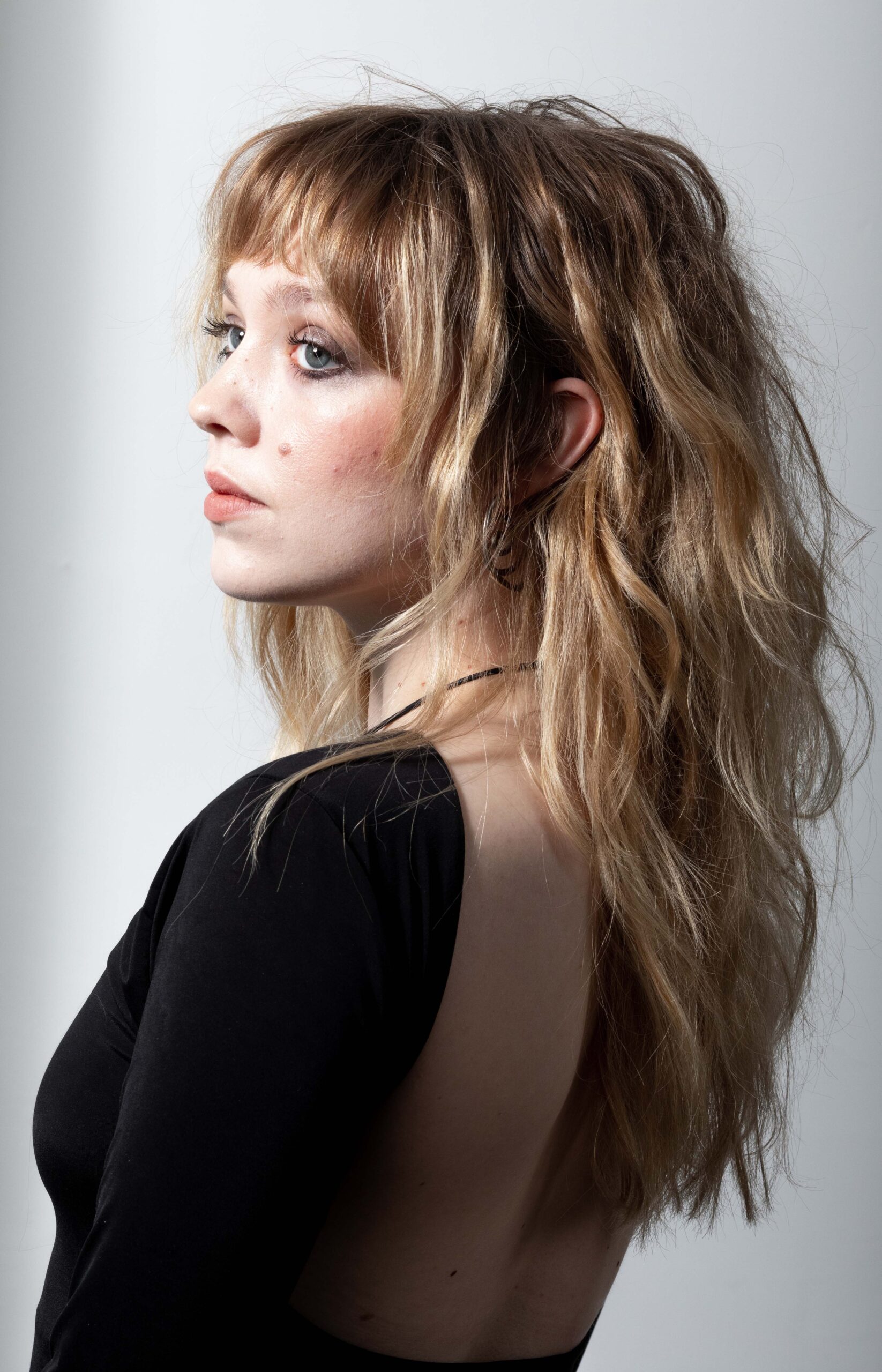
Representation can be another useful moment to review your photographs. A new agent may have a clearer view of how they want to position you, which images they feel are strongest, and whether your current set supports the kind of work they intend to pursue.
That does not automatically mean replacing everything. Sometimes the existing photographs remain useful. In other cases, the set may need a different balance of warmth, authority, openness or seriousness to support the new direction.
For more on the difference between representation and casting use, read How Agents Use Headshots Differently From Casting Directors.
03 · Casting direction
An actor's professional direction can change even when their appearance has not. You may begin moving into more senior roles, comedy, drama, commercial work, screen work, theatre or a different playing-age range.
If your current headshot set only represents an earlier stage of your career, it may no longer give enough useful information about where you fit now.
This does not mean trying to dress as a series of characters. The stronger approach is usually to create believable variations that still feel recognisably like the same person.
For more on this, see Why Some Actor Headshots Feel More Castable Than Others.
“A headshot should represent the actor you are now, not the actor you happened to be when the photograph was taken.”
Chris Barroccu · Headshot Photographer & Lighting Director04 · Career stage
An early-career actor may initially need a clear, versatile set that communicates who they are without over-defining them. As experience and representation develop, the headshot set may become more strategically specific.
You may discover that certain kinds of images generate more useful responses, or that your strongest casting direction is becoming clearer. That can be a good reason to refresh the set — not because the old photographs are technically poor, but because your professional positioning has moved on.
05 · Profile quality
A recent photograph can still be the wrong photograph. If the image feels overly styled, heavily retouched, too generic or does not communicate enough of your presence, a new set may be worthwhile even if your appearance has barely changed.
The person in the photograph should be recognisable as the person who will appear in a room, self-tape or meeting.
The face, expression and overall energy should remain understandable even when the image is viewed small.
The styling, lighting and presentation should support your professional profile now rather than feel attached to an earlier stage.
06 · Expression and range
Sometimes actors outgrow a headshot set because it has become too narrow. Perhaps every image feels very serious, very warm, very commercial or visually similar.
A new session can create more useful variation through small changes in expression, posture, wardrobe and lighting without turning each image into a different character.
If that is something you are considering, read How Subtle Expression Changes Alter Casting Perception.
07 · Before booking
Before replacing an entire set, look at what you already have and identify the problem. Are the photographs outdated? Do they no longer reflect your casting direction? Is the expression too narrow? Does the styling dominate? Are you missing a stronger lead image?
That gives the new session a purpose rather than treating fresh headshots as routine maintenance.
If one or more of those answers is clearly “no”, it may be time to update.
08 · Preparing for the new session
Your existing images can be useful evidence. Bring or review the frames you like, the ones that have worked well professionally, and the ones that no longer feel right.
That gives us a much clearer starting point for deciding what the new session needs to add rather than simply recreating the same set with newer clothes.
For practical preparation, see What to Wear for Actor Headshots and Studio vs Outdoor Actor Headshots.
Quick answers
There is no fixed timetable that suits every actor. Update when the photographs no longer represent your current appearance, professional positioning or casting direction accurately enough.
Not necessarily. If your appearance and professional needs have not changed and the images still work well, replacing them purely because a year has passed may not be necessary.
If the change is significant enough that your existing headshots no longer resemble your current appearance, new photographs are usually worth considering.
Not automatically, but it is a sensible time to review them. Your new representative may have useful input on how your current images support your positioning and the kinds of work being pursued.
Age is only one factor. If the photographs do not feel recognisable, clear or professionally useful, a better set may be justified even if the existing images are relatively new.
Actor Headshots · South Wales
I photograph actors and performers across South Wales, including Cardiff and Swansea, with sessions built around current appearance, expression, casting direction and how your face reads on camera.