
Actor Headshots · Castability
Castability is not about a magic pose or a fashionable photographic style. It is about making the actor clear, believable and easy to imagine within a professional casting context.
Chris Barroccu · BBC & ITV Lighting Director · South Wales
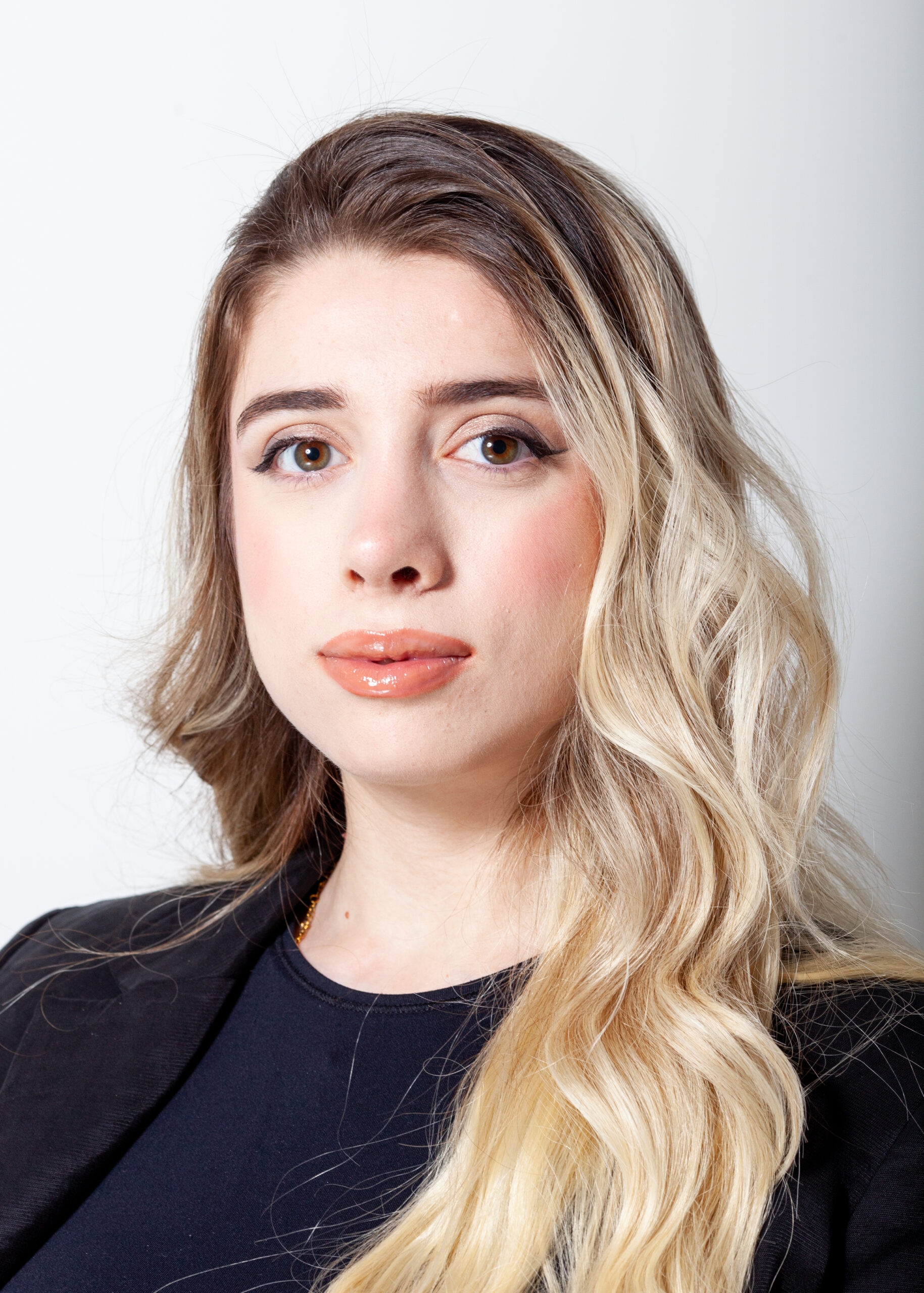
Some actor headshots make it easier to imagine the person inside a story. They may not be dramatic, heavily styled or technically unusual. They simply feel clear, believable and connected to the actor being photographed.
That is a useful way to understand the phrase castable actor headshots. A photograph cannot guarantee work or predict an individual casting decision. Its job is to make the actor easier to recognise, understand and consider.
01 · What castable means
A castable headshot does not need to demonstrate every character an actor might possibly play. Instead, it offers a truthful and professionally useful impression of the person.
That impression can communicate natural presence, likely playing age, emotional tone and enough information for an agent or casting professional to begin imagining possibilities.
The headshot does not make the casting decision. It should remove unnecessary barriers to understanding the actor.
If you are planning a new set, see my Actor Headshots South Wales service page.
02 · Clarity
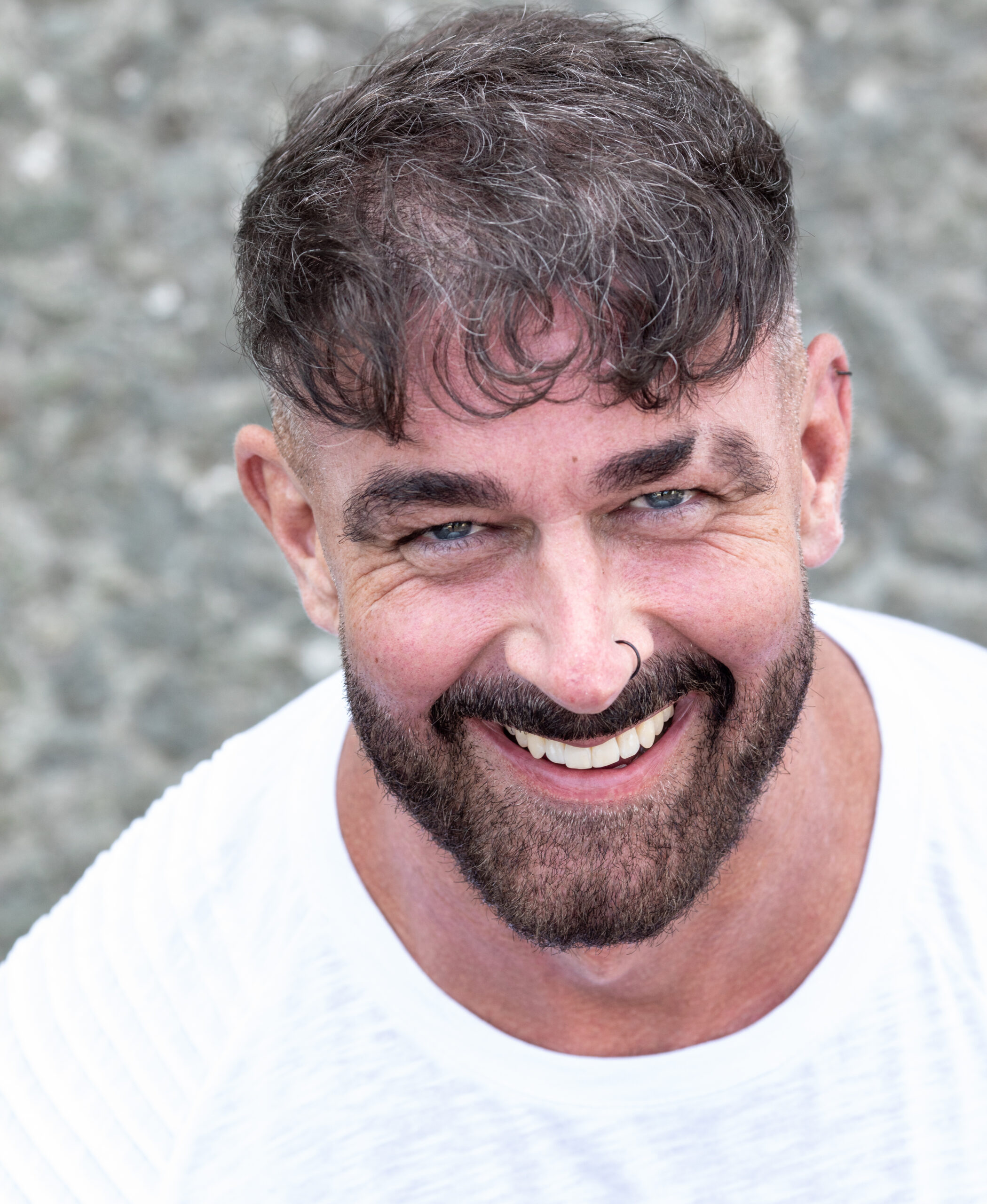
Actors understandably want their photographs to demonstrate range. The problem comes when a single frame is expected to feel intense, friendly, vulnerable, authoritative, commercial and dramatic all at once.
The strongest images tend to have a clearer purpose. They give the viewer enough information to understand the actor without attempting to contain an entire career within one photograph.
A useful headshot creates a clear starting point. Range can then be built across the wider set.
03 · Believability
A headshot is not a scene. When an expression is pushed too far, the viewer can become aware of the actor trying to communicate a particular quality rather than simply responding to the person in front of them.
Overly intense eyes, a held smile, unnecessary tension in the jaw or deliberately severe posture can all make a portrait feel more constructed.
The strongest actor headshots often contain less visible effort. The actor feels present rather than performed.
For a deeper examination of this, read How Subtle Expression Changes Alter Casting Perception.
“A castable headshot offers suggestion without becoming a performance.”
Chris Barroccu · Headshot Photographer & Lighting Director04 · Eyes and expression
The eyes are one of the first places we read information from a face. Engagement matters, but engagement does not mean staring intensely into the lens.
A gaze can feel warm, thoughtful, guarded, open, confident or vulnerable. What matters is that it feels connected and believable rather than arranged for the camera.
Subtle expression can also leave useful room for interpretation. Confidence in posture, warmth around the eyes or a small amount of tension can suggest something without defining the actor too narrowly.
05 · Lighting
Lighting does more than make a face visible. Direction, softness, contrast and shadow can change whether a portrait feels open, serious, approachable or authoritative.
As a freelance BBC and ITV Lighting Director, I have spent more than 25 years observing how small changes in light affect the way faces and expressions read on camera.
For actor headshots, I use that experience to support the individual rather than impose a character through the lighting itself.
Light should reveal facial shape without becoming the main subject of the photograph.
Enough clarity around the eyes helps expression remain readable at different image sizes.
Contrast can shift the mood, but it should remain appropriate to the actor rather than follow a fixed formula.
06 · Recognition
One of the most practical qualities of a professionally useful headshot is accuracy. Hair, facial hair, general styling and realistic playing age should remain recognisable enough that the photograph feels consistent with the person it represents.
Retouching should therefore help the image feel finished without changing facial structure or removing the qualities that make the actor recognisable.
The aim is recognition rather than surprise.
If your appearance or professional direction has changed, read When Should Actors Update Their Headshots?.
07 · Styling and polish
Clothing, hair, makeup and grooming all contribute to the way a portrait is read, but they should not become more memorable than the face.
The same principle applies to photographic technique. Accurate colour, focus, exposure and careful finishing matter, but technical polish alone does not create castability.
A highly polished image can still feel distant or artificial. An understated portrait can be extremely effective when the actor's presence is communicated clearly.
For wardrobe guidance, see What to Wear for Actor Headshots.
08 · Range
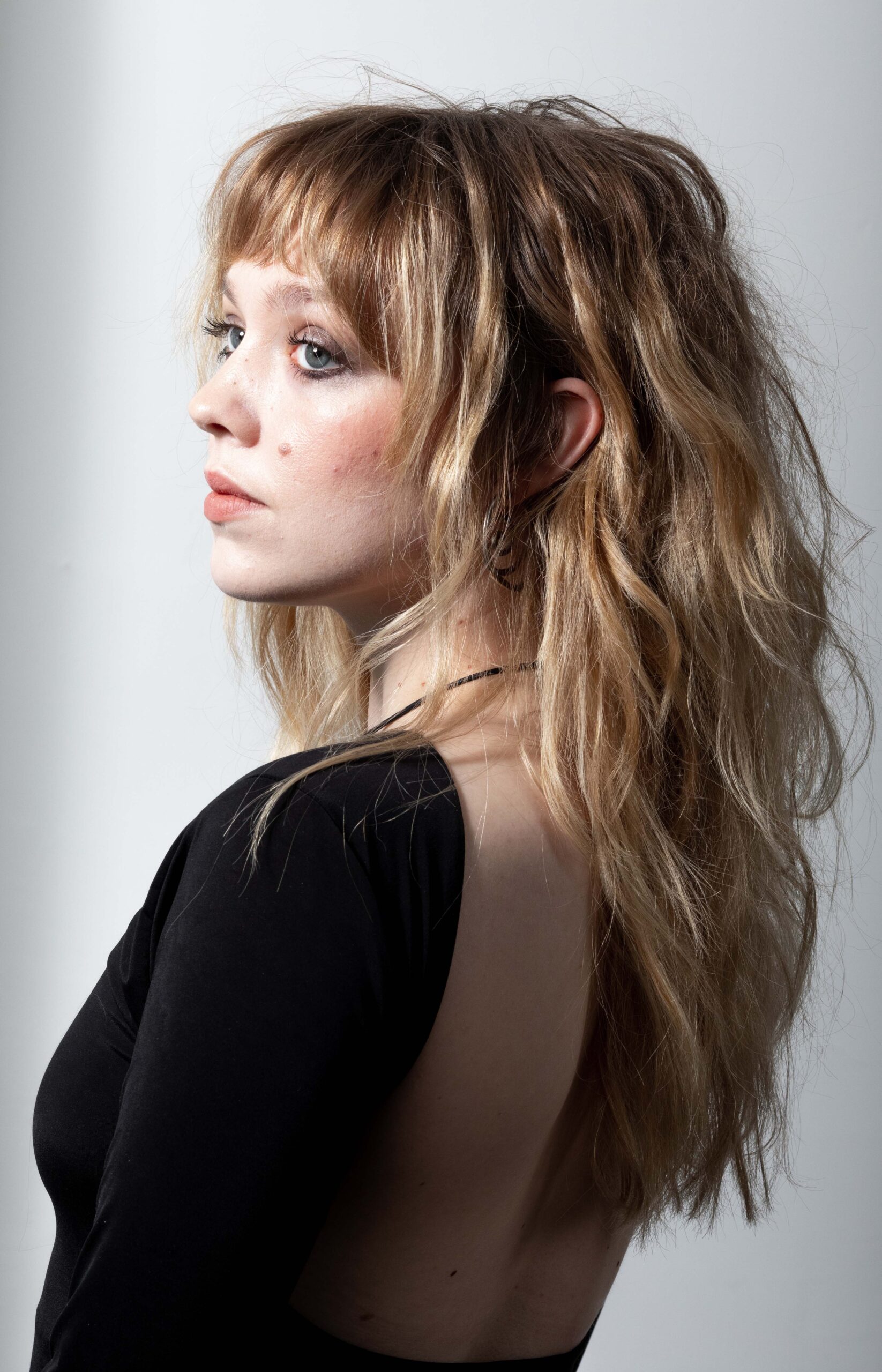
An actor who works across different casting areas may benefit from a coherent group of images rather than expecting one portrait to do everything.
One frame might feel warmer and more open. Another can carry more seriousness or authority. A quieter portrait may reveal greater emotional depth. The important point is that all of them should still feel recognisably like the same person.
This creates range through the set rather than through conflicting signals inside a single image.
09 · Professional usefulness
The strongest headshots help answer basic questions quickly: Who is this person? How do they read on camera? What possibilities can I imagine?
For the casting side specifically, read What Do Casting Directors Look for in Actor Headshots?.
10 · Trends
Backgrounds, crops, colour treatments and lighting styles change over time. A contemporary image matters, but following every visual trend is not necessarily useful.
A style that works beautifully for one actor may feel artificial on another. The stronger priority is truthful presentation, professional relevance and an understanding of how the individual face reads on camera.
The photograph should feel current without depending entirely on fashion.
Quick answers
There is no formula that guarantees a casting outcome. A professionally useful headshot is generally clear, recognisable and believable, with expression, lighting and styling working together rather than distracting from the actor.
No. A headshot can suggest qualities and casting possibilities without turning into costume or a performed character portrait.
Useful variation can help. Small changes in warmth, seriousness, openness and intensity can create different readings while keeping the actor recognisably the same person.
It can if the finishing changes the person's appearance or makes the portrait feel artificial. Retouching should preserve recognition.
They should feel professionally current, but the most fashionable lighting or background is not automatically the right choice for every actor.
Actor Headshots · South Wales
I photograph actors and performers across South Wales, including Cardiff and Swansea, using more than 25 years of professional lighting experience to shape portraits around the individual face rather than a fixed photographic formula.