Actor Headshots · Choosing a Photographer
Ten questions to ask before you book — so you can compare photographers on the things that actually affect the usefulness of your final headshots.
Chris Barroccu · BBC & ITV Lighting Director · South Wales
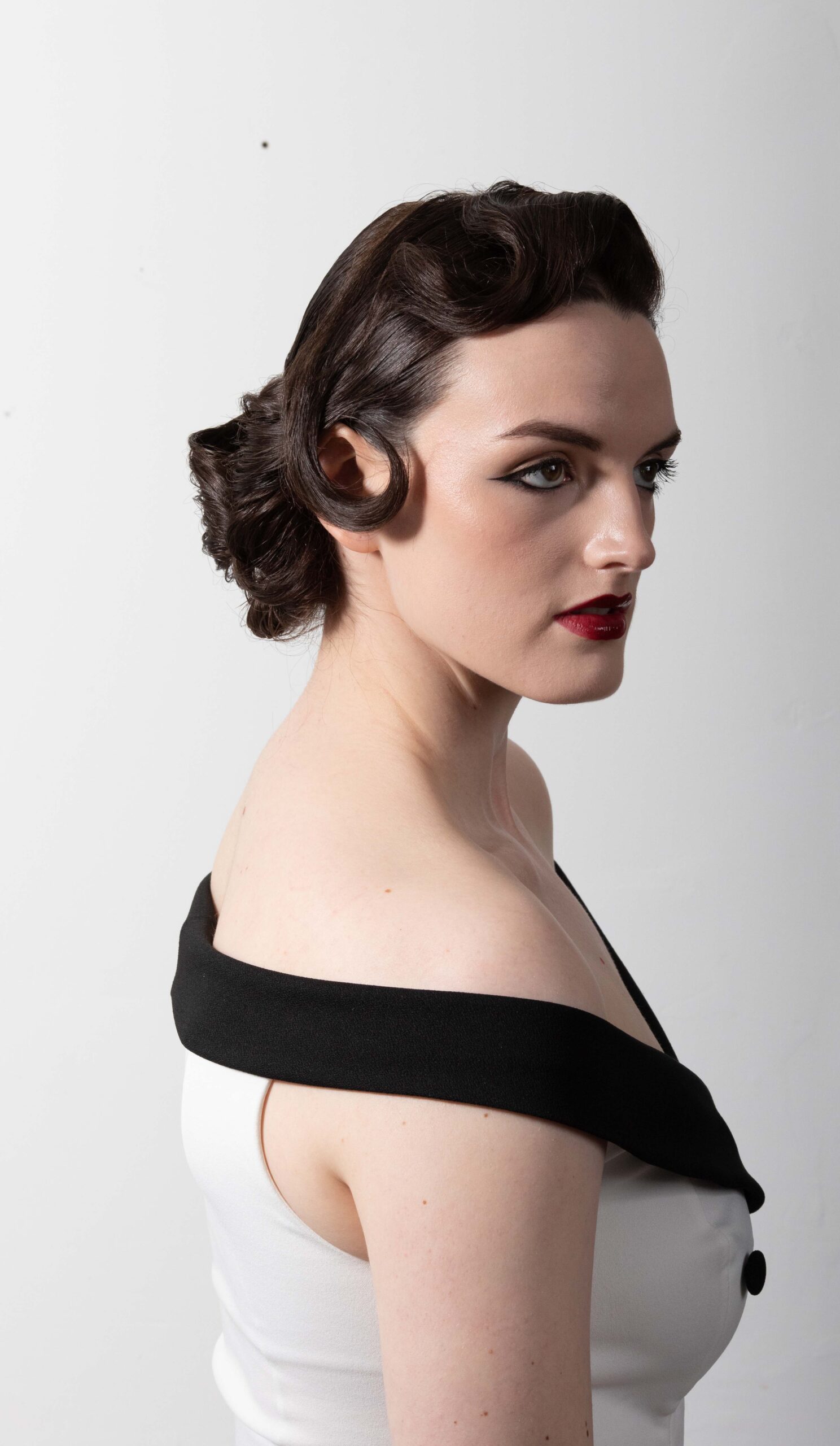
Choosing an actor headshot photographer is not just a question of finding someone whose pictures look attractive. You are choosing the person who will shape how you are presented to agents, casting professionals and the wider industry.
The strongest choice is usually the photographer who understands both portrait-making and the practical job the images need to do.
Actor headshots are not the same as general portraits, fashion photographs or corporate headshots. The images need to remain recognisable, current and useful in a professional casting context.
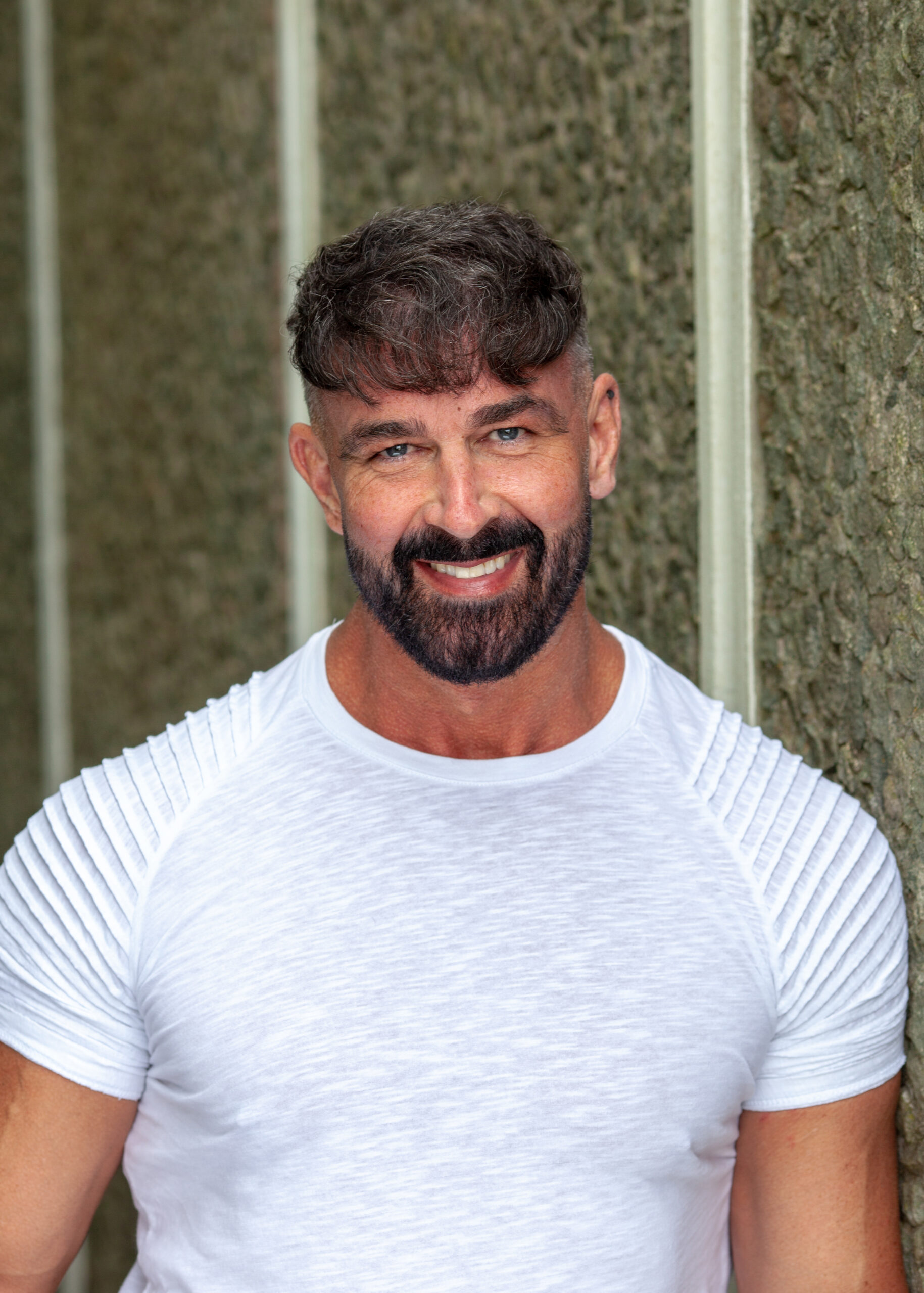
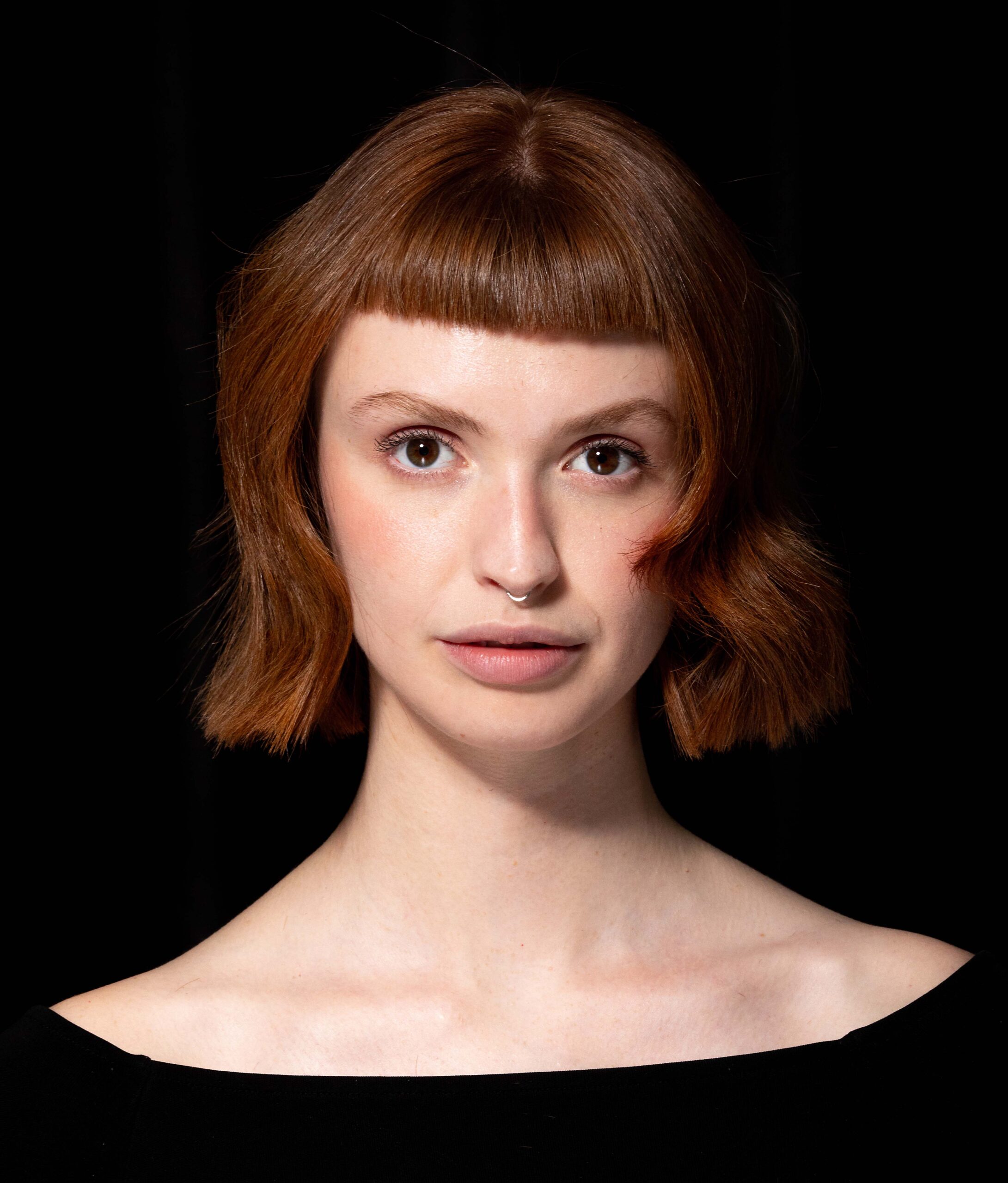
Look through the photographer's recent work. Do the people feel believable? Does the work show more than one type of face, age and energy? Do the images look like professional actor portraits rather than heavily styled editorial photographs?
A strong portfolio should show that the photographer understands actors as individuals rather than repeating one visual formula on every face.
Consistency matters because it tells you the photographer can reproduce good results. But consistency should not mean identical lighting, identical expression and identical treatment for every person.
Different faces need different decisions. A good headshot photographer should be able to maintain a clear standard while adjusting lighting, framing and direction around the individual.
Most people do not arrive at a headshot session knowing exactly what to do with their face. That should not be a problem.
Ask how the photographer works with expression. Do they rely on fixed poses and repeated instructions, or do they respond to the individual and make smaller adjustments as the session develops?
Subtle changes around the eyes, jaw, mouth and posture can change how the same actor is perceived. Direction should help those differences appear naturally rather than force a performance for the stills camera.
For more on this, read How Subtle Expression Changes Alter Casting Perception.
Lighting is not simply about making a portrait look polished. It affects facial shape, contrast, openness, authority and the way expression is read.
I have spent more than 25 years working professionally with light, faces and cameras as a freelance BBC and ITV Lighting Director. That experience has taught me how quickly a small change in light can alter the way somebody reads on camera.
When comparing photographers, look beyond whether the lighting is dramatic or fashionable. Ask whether it helps each person remain clear, natural and recognisable.
Light should describe the face rather than flatten it or overwhelm it.
The eyes should remain readable without looking artificially bright or overworked.
The same lighting recipe will not suit every face equally well.
“The photographer's job is not to impose a look. It is to understand what the camera is already seeing.”
Chris Barroccu · Headshot Photographer & Lighting DirectorA strong headshot set may include different levels of warmth, seriousness, authority or openness. But those differences should still feel like believable versions of the same actor.
Be cautious if a photographer's idea of range relies mainly on dramatic costume changes, exaggerated expressions or heavily stylised lighting. Range is usually more useful when it comes from controlled changes in expression, wardrobe and tone.
Read Why Some Actor Headshots Feel More Castable Than Others for a deeper explanation.
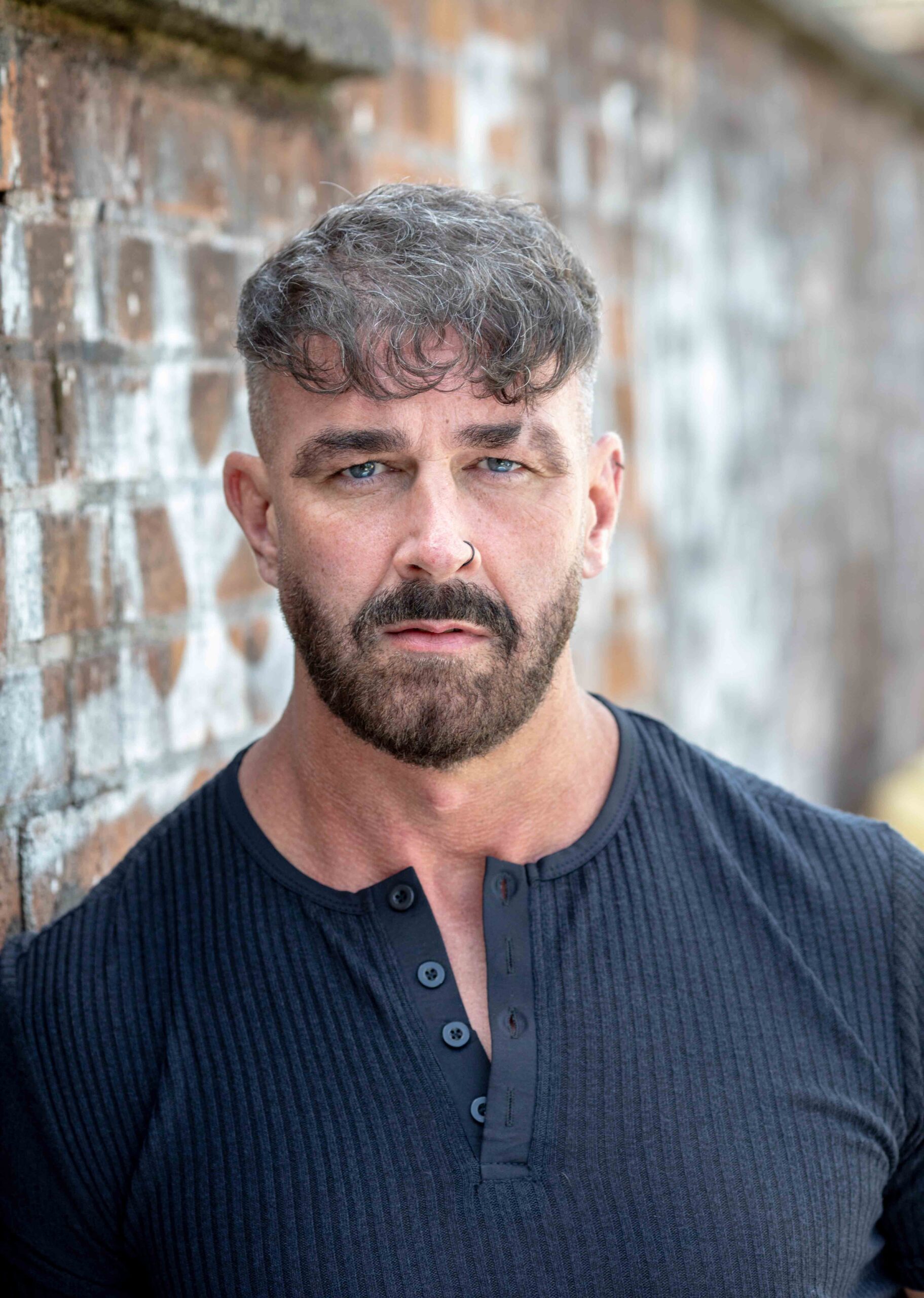
A portfolio filled only with smiling or approachable portraits may look pleasant, but it does not necessarily tell you whether the photographer can create a more contained, authoritative or intense image when that is useful.
The same applies in the opposite direction. A portfolio made entirely of severe, high-contrast portraits may not show enough flexibility.
Look for evidence that the photographer can adjust the energy while keeping the actor recognisably themselves.
Two photographers can quote very different prices while offering very different things. Before comparing cost, understand what is actually included.
A lower headline price is not necessarily better value if the session structure does not give you what you need.
Actor headshots need to remain recognisable. Retouching can remove temporary distractions and help the photograph feel finished, but it should not redesign the face.
Ask how much retouching is applied and look closely at skin texture, facial shape and eyes in the photographer's portfolio. If everybody looks excessively smoothed or structurally altered, that may be a warning sign.
The final image should still look like the person who will appear in the room, on a self-tape or at a meeting.
Technical skill matters, but so does the way the photographer works with people.
A headshot session asks you to remain present while somebody studies small changes in your face and expression. If communication feels rushed, dismissive or overly controlling before you have even booked, that may continue during the session.
Look for clear information, straightforward answers and a working style that makes you feel you will be guided without being over-directed.
This may be the most useful question of all.
A photographer should be able to explain how they would approach your session based on your face, current photographs, professional direction and what you need the images to achieve.
If every enquiry receives exactly the same answer, the process may be built around the photographer's style rather than the individual actor.
The strongest headshot photographer for you is usually the one who can explain how their process will help you look recognisable, believable and professionally useful — not simply more photographed.
Before you book
Quick answers
Look for consistent actor-specific work, believable expression, controlled lighting, clear session information and a photographer who can explain how their approach will adapt to you rather than simply applying one fixed style.
Price matters, but compare what is included before comparing headline figures. Session length, finished images, retouching, direction and delivery can vary significantly between photographers.
Style matters, but it should not overwhelm the actor. The strongest portfolio is usually one where you can recognise the photographer's quality while each subject still feels individual.
They should understand how actor headshots are used professionally and why recognition, expression, clarity and useful range matter. They do not need to claim they can predict individual casting decisions.
You do not always need a formal meeting, but you should feel able to ask practical questions and understand how the session will work before committing.
Actor Headshots · South Wales
I photograph actors and performers across South Wales, including Cardiff and Swansea, with an approach built around expression, controlled lighting and creating a headshot set that still feels recognisably like you.